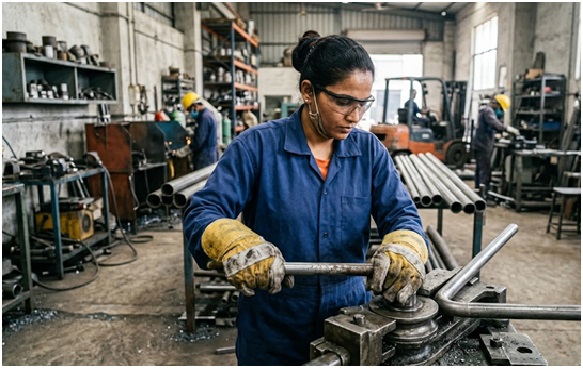
Elevating Workplace Safety: Your Trusted Industrial Gloves Supplier in Navi Mumbai
Navi Mumbai has rapidly evolved into one of India’s most dynamic industrial hubs, hosting a vast array of manufacturing plants, chemical processing facilities, and engineering complexes. In these high-stakes environments, the safety of the workforce is paramount. The first line of defense against severe workplace hazards is high-quality personal protective equipment (PPE), specifically industrial gloves.
Whether you are dealing with corrosive chemicals, extreme temperatures, or sharp machinery, the right pair of gloves makes all the difference. Let’s explore the materials used to craft these essential protective barriers, dive into their core features and daily uses, and uncover why Shreyal Medico Lab Industries is recognized as the leading industrial gloves supplier and manufacturer in Navi Mumbai.
What Materials Are Commonly Used to Manufacture Industrial Gloves?
Industrial hazards vary wildly, meaning there is no “one size fits all” when it comes to glove materials. Manufacturers engineer protective wear using specialized compounds tailored to mitigate specific workplace risks.
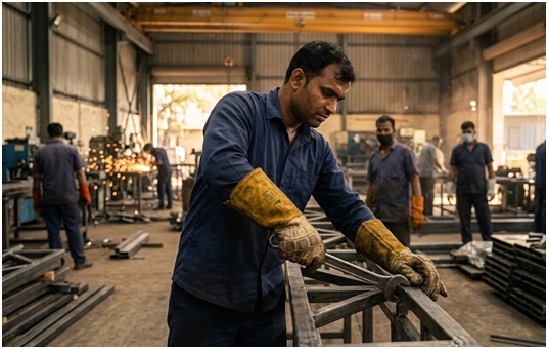
Here is a breakdown of the most common materials used in industrial glove manufacturing:
| Glove Material | Primary Protective Qualities | Ideal Industrial Application |
| Nitrile (Synthetic Rubber) | Unmatched resistance to oils, greases, solvents, and punctures. | Automotive, chemical processing, machining, and engineering. |
| Natural Rubber Latex | High elasticity, extreme dexterity, and resistance to biohazards. | Medical waste handling, light assembly, and sanitation. |
| Kevlar / HPPE | Extreme cut, tear, and abrasion resistance. | Metalworking, glass manufacturing, and heavy construction. |
| Neoprene | Excellent thermal stability and defense against harsh caustics and acids. | Petrochemicals, agricultural spraying, and deep cleaning. |
| Polyvinyl Chloride (PVC) | Waterproofing and protection against basic chemicals and adhesives. | Commercial fishing, heavy maintenance, and painting. |
| Leather / Canvas | Durable shielding against sparks, rough surfaces, and mild heat. | Welding, heavy lifting, and general logistics. |
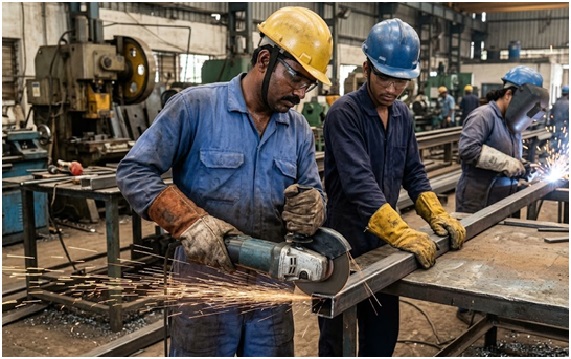
In-Depth FEATURES of Premium Industrial Gloves
When sourcing safety gear for an entire facility, you need products that perform flawlessly under pressure. High-quality industrial gloves, like those manufactured by top-tier suppliers, offer a robust set of features:
- Heavy-Duty Puncture and Cut Resistance: Engineered to withstand sharp edges, metallic burrs, and heavy machinery without compromising the barrier.
- Advanced Chemical Shielding: Formulated to repel everything from industrial-grade degreasers and hydraulic fluids to aggressive acids, preventing severe chemical burns.
- Micro-Textured and Patterned Grips: Industrial environments are often wet or oily. Premium gloves feature diamond-textured palms or micro-roughened fingertips to guarantee a secure, anti-slip grip on heavy tools.
- Thermal and Electrical Insulation: Specialized industrial gloves are designed to dissipate heat or insulate against electrical shocks, crucial for welders and electricians.
- Ergonomic, Anti-Fatigue Design: Despite their thickness, modern industrial gloves are molded to the resting shape of the human hand, reducing muscle strain and fatigue during grueling 12-hour shifts.
Comprehensive USES of Industrial Gloves Across Sectors
Industrial gloves are versatile workhorses utilized across a massive spectrum of demanding professions:
- Automotive and Mechanical Engineering: Mechanics rely on thick nitrile gloves to protect their hands from carcinogenic engine oils, brake fluids, and sharp metal engine components.
- Chemical Manufacturing and Oil Refineries: Plant workers utilize neoprene and heavy-duty nitrile to safely blend highly toxic reagents and handle crude oil safely.
- Construction and Metal Fabrication: Builders and welders wear Kevlar-infused or leather gloves to prevent deep lacerations from sheet metal, steel rebar, and flying sparks.
- Janitorial and Facility Maintenance: Heavy-duty cleaning crews use thick PVC or rubber gloves to handle highly concentrated bleaches and industrial floor strippers without risking contact dermatitis.